Few things are more frustrating than noticing cracks spreading across your driveway. While some cracks are purely cosmetic, others can signal underlying issues that require prompt attention. Understanding what caused the damage can help you decide whether a simple concrete driveway repair is enough or if a more extensive solution is needed.
Many homeowners assume every crack means their driveway has failed, but that’s not always the case. Some minor imperfections can be repaired and monitored, while larger structural cracks may indicate problems beneath the surface. Knowing the difference can save you time, money, and future headaches.
In this guide, we’ll explain why concrete cracks, how to identify different types of damage, when repairs make sense, and when replacing your driveway is the better long-term investment.
Why Concrete Driveways Crack in the First Place
Concrete is one of the most durable paving materials available, but it’s not indestructible. Over time, weather, soil movement, and everyday use can all contribute to cracking. Some cracks are expected as concrete ages, while others point to installation or drainage issues that should be addressed.
Understanding the cause helps determine the best repair method.
Freeze-Thaw Damage
In areas like northeast Indiana, seasonal temperature swings are one of the most common causes of driveway cracks.
Water naturally seeps into tiny pores and existing hairline cracks in the concrete. When temperatures drop below freezing, that water expands, placing pressure on the surrounding concrete. As this cycle repeats throughout the winter, small cracks can gradually become larger.
Proper sealing and drainage can significantly reduce freeze-thaw damage and extend the life of your driveway.
Poor Base Preparation
A driveway is only as strong as the foundation beneath it.
If the soil wasn’t properly graded or compacted before the concrete was poured, sections of the driveway may settle unevenly. This movement creates stress within the slab, often leading to larger cracks or uneven surfaces.
Professional installation includes preparing a stable, compacted base that supports the weight of vehicles while minimizing future settling.
Age and Normal Wear
Even a well-installed driveway won’t last forever.
Years of vehicle traffic, exposure to the elements, and natural expansion and contraction gradually wear down concrete. Small surface cracks may develop as part of the aging process, especially after decades of use.
Routine concrete driveway maintenance helps slow this natural deterioration and can prevent minor issues from becoming major repairs.
Heavy Loads and Tree Root Damage
Concrete driveways are designed for everyday passenger vehicles, but excessive weight from large trucks, construction equipment, or recreational vehicles can place additional stress on the slab.
Tree roots can also create problems as they grow beneath or alongside the driveway. Expanding roots lift sections of concrete, leading to cracks, uneven surfaces, and trip hazards.
If root growth is the cause, repairing the concrete without addressing the tree may only provide a temporary solution.
Hairline Cracks vs. Structural Cracks: How to Tell the Difference
Not every crack requires the same solution. Some are cosmetic and can be repaired with minimal effort, while others indicate underlying structural problems that should be evaluated by a professional.
The table below compares the most common types of driveway cracks.
| Criteria |
Hairline Cracks |
Structural Cracks |
| Width |
Very narrow, typically less than 1/8 inch |
Wider than 1/8 inch and often expanding |
| Surface Level |
Concrete remains even |
One side may be raised or sunken |
| Cause |
Normal curing, minor settling, weather |
Soil movement, poor base, heavy loads, tree roots |
| Repair |
Crack filler or sealant may be sufficient |
Professional repair or replacement is often needed |
| Urgency |
Monitor and maintain |
Address promptly to prevent further damage |
While hairline cracks are common in aging concrete, larger cracks that continue to widen or create uneven surfaces should not be ignored.
If you’re unsure which type of crack you’re dealing with, a professional inspection can help determine whether concrete driveway repair is the right solution or if replacement will provide better long-term value.
DIY Crack Filler vs. Professional Repair
Many homeowners head to the hardware store looking for concrete driveway crack filler as soon as they notice damage. In some situations, that’s a reasonable temporary fix. In others, it simply hides a much larger problem beneath the surface.
The table below compares DIY repairs with professional solutions.
| Criteria |
DIY Crack Filler |
Professional Repair |
| Best For |
Small cosmetic cracks |
Structural cracks and damaged sections |
| Cost |
Lower upfront investment |
Higher upfront cost with longer-lasting results |
| Durability |
Temporary to moderate |
Long-term solution |
| Addresses Root Cause |
No |
Yes, when underlying issues are corrected |
| Appearance |
Can remain visible |
More uniform finished appearance |
For small hairline cracks, applying a quality filler can help prevent water intrusion and slow further deterioration. However, it’s important to prepare the surface properly before applying any repair material.
Professional repairs become the better option when you notice:
- Cracks that continue growing
- Multiple intersecting cracks
- Uneven concrete surfaces
- Areas that rock or shift under weight
- Drainage problems around the driveway
- Large sections that have settled
In these situations, simply filling the crack won’t stop the movement causing the damage.
Many homeowners discover that addressing cracks early is often far less expensive than waiting until the entire driveway requires replacement.
How Long Should a Concrete Driveway Actually Last?
One of the most common questions homeowners ask is, how long does a concrete driveway last?
The answer depends on several factors, including installation quality, weather conditions, maintenance, and daily use. A properly installed concrete driveway can often last 30 years or longer with routine care.
The table below outlines the factors that influence a driveway’s lifespan.
| Factor |
Impact on Lifespan |
| Proper Base Preparation |
Prevents settling and structural cracking |
| Quality Concrete Mix |
Improves durability and strength |
| Professional Installation |
Reduces premature failure |
| Regular Sealing |
Protects against moisture and freeze-thaw damage |
| Routine Maintenance |
Helps prevent small issues from becoming major repairs |
| Heavy Vehicle Traffic |
Can shorten the driveway’s lifespan |
Routine inspections also help catch small issues before they develop into costly repairs.
If your driveway is more than 25 years old and experiencing widespread cracking, scaling, or settlement, it may be worth discussing replacement options with a contractor instead of investing in repeated repairs.
A new driveway can also improve curb appeal and provide an opportunity to upgrade the overall appearance of your property. Many homeowners choose to coordinate a driveway replacement with other concrete improvements, such as a new
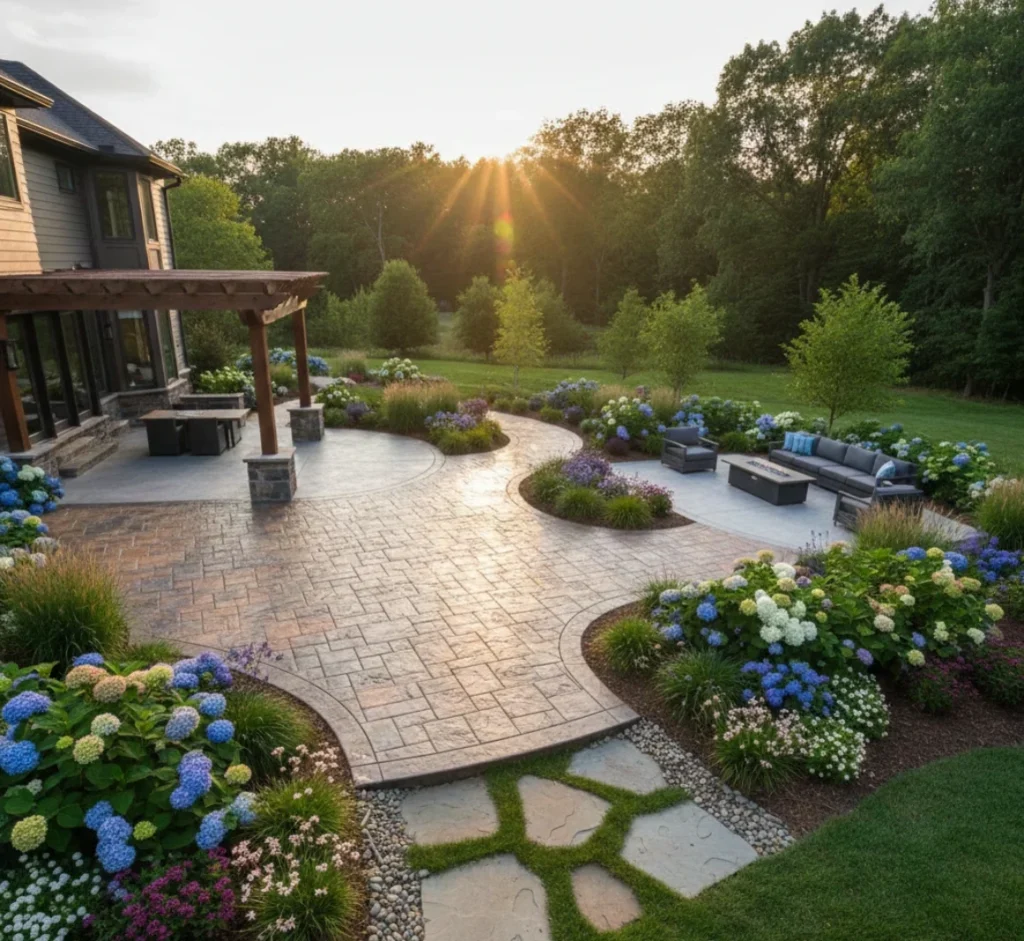
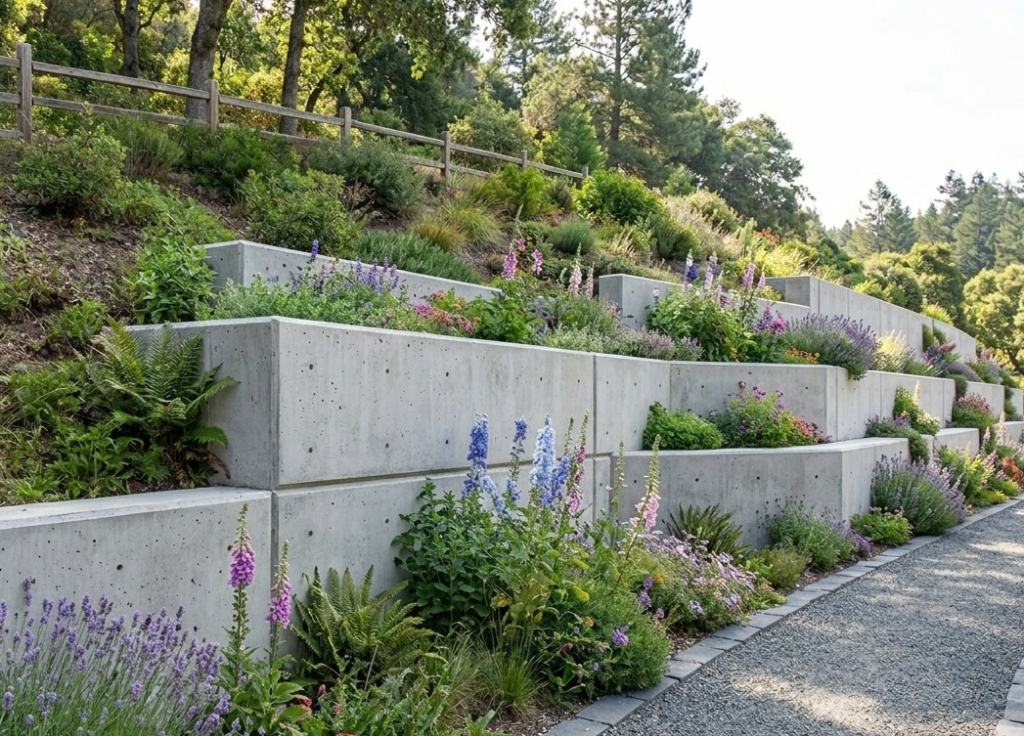
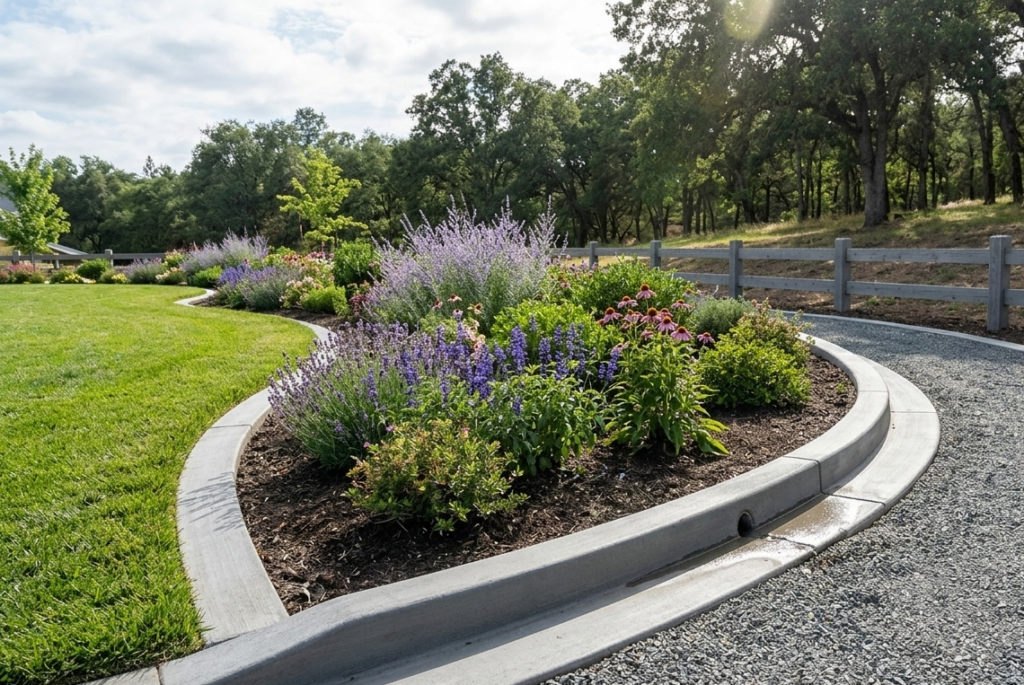
concrete patio, decorative concrete curbing, or retaining walls, for a cohesive look throughout the landscape.
Simple Maintenance That Prevents Cracking
While no driveway lasts forever, routine maintenance can significantly extend its lifespan and reduce the likelihood of costly repairs. A few preventative measures each year can protect your investment from moisture, weather, and everyday wear.
The table below outlines simple maintenance tasks that help keep concrete in good condition.
| Maintenance Task |
Recommended Frequency |
Benefit |
| Seal the Driveway |
Every 2 to 3 years |
Protects against moisture, stains, and freeze-thaw damage |
| Sweep and Wash |
As needed |
Removes dirt, debris, and chemicals that can damage the surface |
| Inspect for Cracks |
Twice per year |
Identifies minor issues before they become major repairs |
| Check Drainage |
After heavy rain |
Prevents standing water and soil erosion |
Staying consistent with these tasks can help you avoid premature deterioration and reduce the need for extensive repairs.
Sealing
Applying a quality concrete sealer creates a protective barrier that limits moisture penetration, helping reduce the effects of freezing temperatures and daily wear.
Sealing also helps:
- Resist oil and grease stains
- Reduce water absorption
- Slow surface deterioration
- Protect decorative finishes
- Improve the driveway’s overall appearance
A professional contractor can recommend the right type of sealer based on your driveway’s age, condition, and local climate.
Cleaning
Routine concrete driveway cleaning does more than improve curb appeal. Dirt, leaves, automotive fluids, and deicing salts can gradually wear down the concrete surface if they’re allowed to remain.
If you’re wondering how to clean concrete driveway surfaces safely, follow these basic steps:
- Sweep away loose debris.
- Rinse with a garden hose or pressure washer on an appropriate setting.
- Use a concrete-safe cleaner for oil stains or discoloration.
- Scrub stubborn areas with a stiff-bristle brush.
- Rinse thoroughly to remove residue.
Avoid harsh chemicals that may damage the concrete or surrounding landscaping.
Regular concrete driveway maintenance, including cleaning, helps preserve the surface while making it easier to spot new cracks before they worsen.
Managing Drainage
Water is one of concrete’s biggest enemies when it isn’t directed away properly.
Poor drainage allows water to collect beneath or around the driveway, weakening the supporting soil and increasing the risk of settling and cracking.
Good drainage practices include:
- Keeping gutters and downspouts clear
- Directing runoff away from the driveway
- Maintaining proper grading around the home
- Addressing low spots where water collects
If drainage problems persist, correcting them may prevent repeated repairs and protect other concrete features around your property.
When Repair Isn’t Enough: Signs You Need a Full Replacement
While repairs can extend the life of many driveways, there comes a point when replacement is the more practical and
cost-effective option.
The table below highlights common signs that a full replacement may be the better investment.
| Sign |
Why Replacement May Be Needed |
| Large Structural Cracks |
Indicates significant movement beneath the slab |
| Multiple Settled Sections |
Repairs may not correct widespread foundation issues |
| Extensive Surface Deterioration |
Damage affects the driveway’s overall integrity |
| Poor Drainage Throughout the Driveway |
Underlying grading problems often require reconstruction |
| Repeated Repairs |
Continual patching becomes less cost-effective over time |
If your driveway has reached this stage, replacing it provides an opportunity to correct underlying issues instead of continually treating symptoms.
A new driveway also allows homeowners to improve functionality and appearance with updated layouts, decorative finishes, or wider parking areas. Many projects are completed alongside new concrete patios or decorative concrete curbing to create a cohesive look throughout the property.
What to Expect From a Professional Driveway Repair
Addressing driveway damage early can help preserve your property’s appearance and prevent more expensive problems down the road. Whether your driveway has small surface cracks or more significant structural damage, choosing the right solution begins with a professional evaluation.
At Premier Concrete, we help homeowners throughout the Fort Wayne area determine whether concrete driveway repair is the right option or if a
driveway replacement will provide better long-term value. Our team carefully assesses the condition of your driveway, identifies the underlying cause of the damage, and recommends a solution designed for lasting performance.
Contact Premier Concrete to schedule an inspection. We’ll help you protect your investment with quality workmanship and dependable concrete solutions tailored to your property.