Choosing a driveway material isn’t just about appearance. The surface has to support the weight of your vehicles, withstand changing weather, and continue to perform year after year with reasonable maintenance. That’s why homeowners often compare traditional poured concrete with pavers before making a decision.
Concrete pavers have been used for residential driveways for decades because they’re durable, versatile, and relatively easy to repair. The real question isn’t whether they work. It’s whether they’re the right choice for your home, budget, and long-term maintenance expectations.
Let’s look at what makes concrete pavers unique and whether they’re the right fit for your property.
What Makes Concrete Pavers a Good Choice
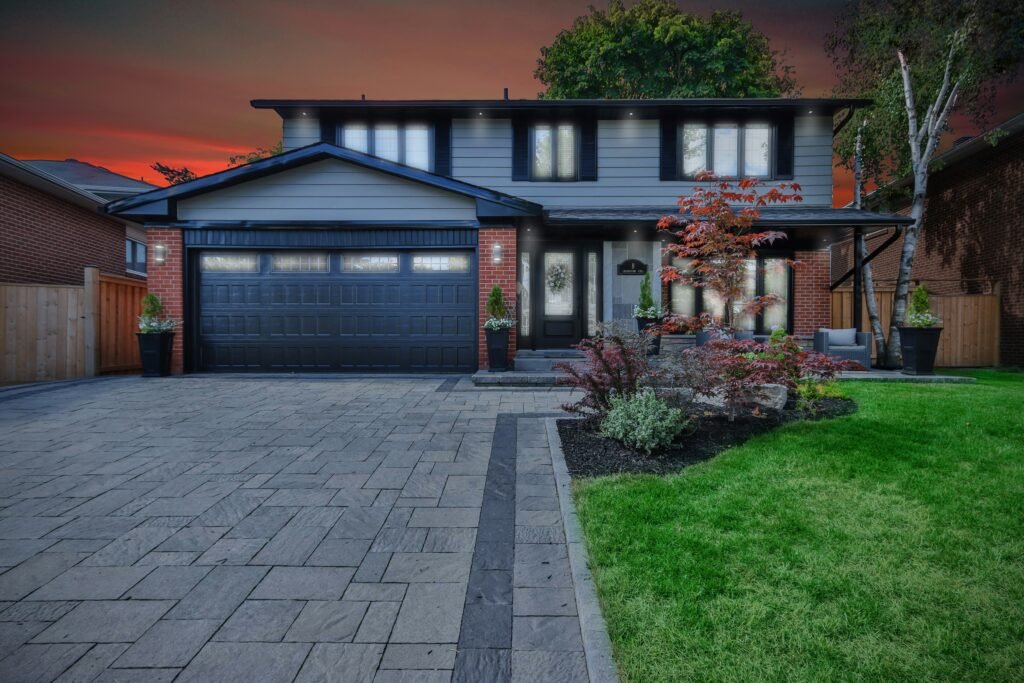
A concrete driveway is poured as one solid slab. A concrete paver driveway is built one piece at a time. Each paver sits on a base of compacted stone and sand that helps support vehicle loads.
The ground under a driveway isn’t completely still. It expands, contracts, and settles over time. Because pavers are individual pieces rather than a single large slab, they’re better able to accommodate small changes.
Repairs are different, too. If one paver becomes stained or damaged, it can usually be removed and replaced without tearing out a large section of the driveway.
From repairs to long-term durability, each feature offers a practical benefit once the driveway is in daily use.
Feature | Benefits |
Individual pavers | A damaged paver can usually be replaced without removing the rest of the driveway. |
Interlocking design | The pavers work together to help support the weight of vehicles. |
Many colors and patterns | You can choose a style that matches your home. |
Long lifespan | A properly installed paver driveway can last for decades. |
Easy repairs | Small problems can often be fixed without replacing the entire driveway. |
Pavers also give homeowners more design flexibility. Mixing colors, adding borders, or choosing a unique laying pattern can create a driveway that stands out without looking out of place.
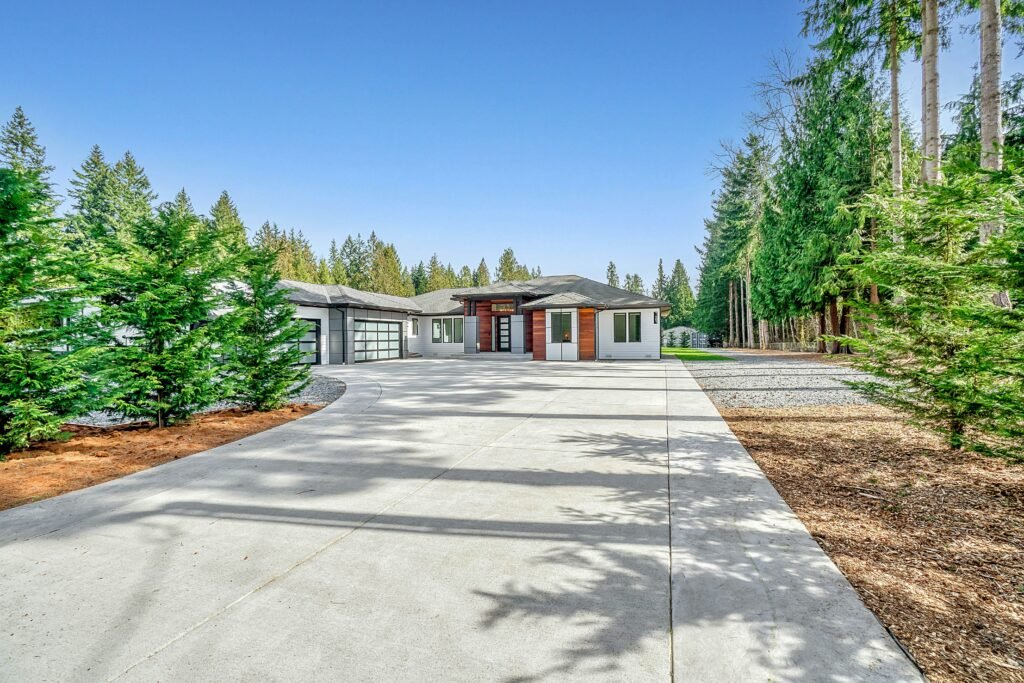
Some homeowners also choose a paver-and-cement driveway. This design uses poured concrete for most of the driveway and adds pavers around the edges or entrance. It adds extra detail to the driveway without using pavers across the entire surface.
Pros and Cons of Concrete Pavers for Driveways
Concrete pavers offer a different approach than a traditional poured driveway. Instead of a single solid slab, the surface consists of individual pieces that work together to support vehicle loads. That design comes with several advantages, but it also requires a larger upfront investment and a different maintenance routine.
Every benefit comes with a trade-off, so it’s helpful to consider both before making a decision.
Pros | Cons |
Creates a custom, high-end appearance | Costs more to install than poured concrete |
Individual pavers can be replaced if damaged | Installation takes longer because each paver is placed by hand |
Less likely to develop large cracks | Joint sand needs occasional maintenance |
Available in many colors, shapes, and patterns | Weeds can grow between pavers if the joints aren’t maintained |
Can last for decades with proper installation | Mistakes during installation can lead to shifting or uneven pavers |
The higher installation cost is usually the first thing homeowners notice. Every paver has to be placed, leveled, and locked into position by hand. The base underneath also has to be carefully compacted so the driveway stays level over time. Skipping those steps can lead to pavers that shift or become uneven, which is why proper installation is so important.
What homeowners get in return is a driveway that’s easier to repair. If one area becomes stained, chipped, or damaged, the affected pavers can often be removed and replaced without disturbing the rest of the driveway. With a poured concrete slab, repairs are usually more noticeable and may involve replacing an entire section.
Maintenance is different, too. Pavers don’t typically develop the long cracks you see in concrete slabs, but they do need occasional care. The sand between the joints helps keep the pavers locked together. Over time, some of that sand can wash away or settle, so adding fresh joint sand every few years helps keep the surface stable and reduces the chance of weeds growing between the pavers.
Not all pavers are made for the same purpose. Some are designed for patios and walkways, where they only need to support foot traffic. Others are manufactured specifically for driveways and are built to handle the weight of cars and trucks. Choosing the right type of paver is just as important as proper installation, because using a product not designed for vehicle traffic can lead to movement or damage over time.
For homeowners planning to stay in their home for many years, a concrete paver driveway can be a worthwhile investment. The higher upfront cost often pays off through long-term durability, easier repairs, and a finished look that stands out from a standard concrete driveway.
How to Make the Most of Your Investment
Choosing quality materials is only part of building a driveway that lasts. Installation methods and routine maintenance have just as much influence on long-term performance.
A few simple habits can help your driveway stay level, look better, and last longer.
Recommendation | Benefit |
Hire an experienced installer | Creates a stable base that helps prevent settling. |
Select driveway-rated pavers | Designed to support vehicle traffic without premature wear. |
Maintain joint sand | Keeps pavers locked together and discourages weed growth. |
Clean the surface regularly | Prevents stains and organic buildup. |
Correct drainage problems | Reduces erosion beneath the driveway. |
The base beneath the pavers requires special attention. Contractors excavate the area, compact layers of crushed stone, and install a bedding layer before placing the pavers. That foundation supports the weight of vehicles and helps keep the surface level. Cutting corners during this stage can lead to movement that becomes noticeable within just a few years.
Cleaning also plays a role in protecting your investment. Sweeping away leaves and debris prevents stains from developing, while occasional washing removes dirt, automotive fluids, and mildew before they become harder to clean.
Drainage shouldn’t be overlooked, either. Water that repeatedly collects beneath a driveway can wash away supporting material over time. A properly graded installation directs water away from the surface and helps preserve the base below.
If you’re comparing a stone paved driveway with a concrete paver installation, both provide an attractive finished appearance. Concrete pavers generally offer more consistent sizing, a wider selection of colors, and greater flexibility for creating custom patterns.
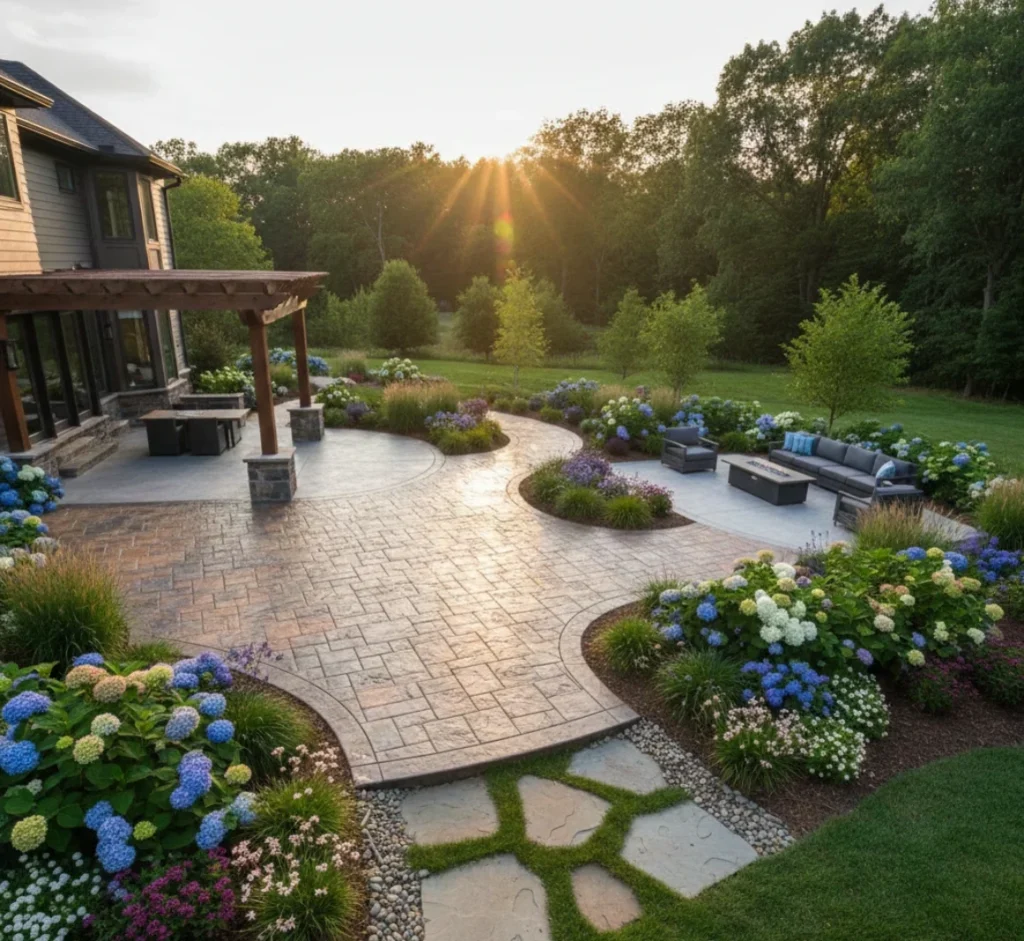
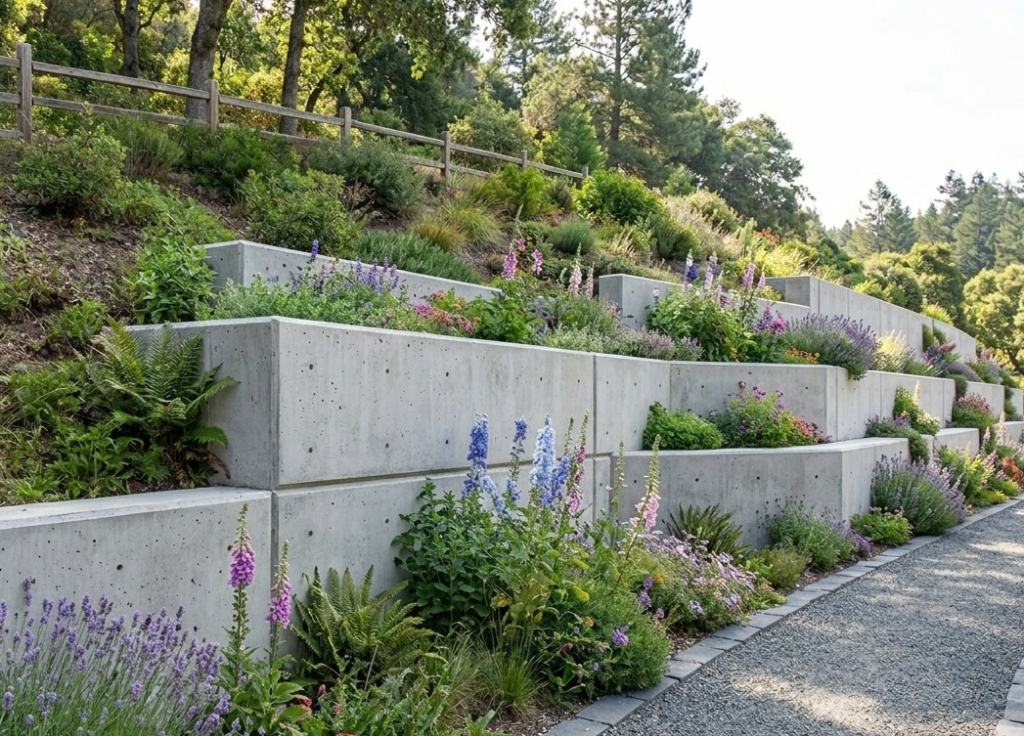
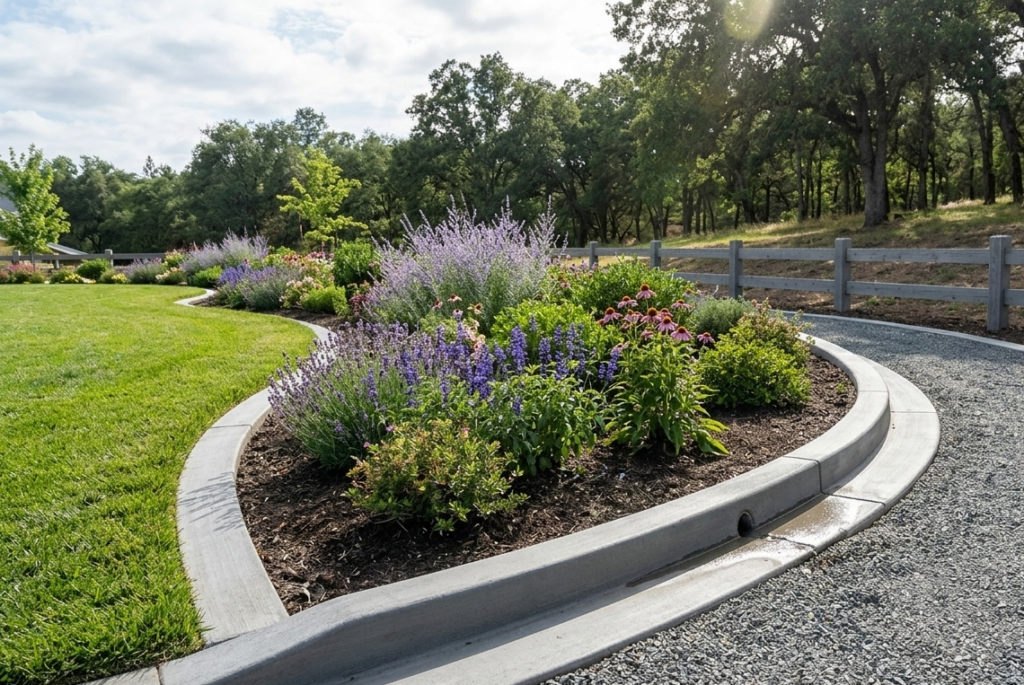
It’s also worth thinking about the surrounding landscape. A driveway rarely stands alone. Coordinating the design with nearby sidewalks, patios, retaining walls, or decorative concrete borders creates a more finished appearance and helps tie the entire property together.
Find the Right Driveway Solution With Premier Concrete
The best driveway isn’t necessarily the one with the highest price tag or the most elaborate design. It’s the one that fits your home’s style, your budget, and the amount of maintenance you’re comfortable with over the years. Concrete pavers offer durability, repair flexibility, and nearly endless design possibilities, making them an excellent choice for many homeowners.
Premier Concrete works with homeowners throughout the Fort Wayne area to design and install driveways built for lasting performance. Whether you’re comparing a traditional concrete driveway with concrete paving driveway options or exploring decorative upgrades, our team can explain the benefits of each approach and recommend a solution that fits your property.
Contact Premier Concrete to schedule a consultation and start planning a driveway that will serve your home for years to come.