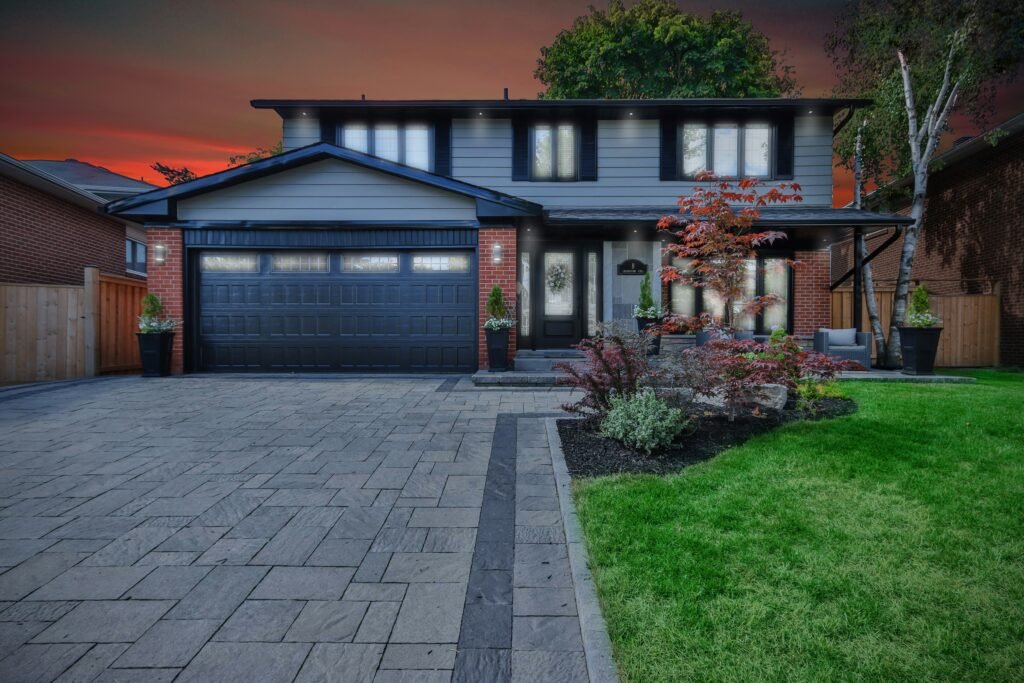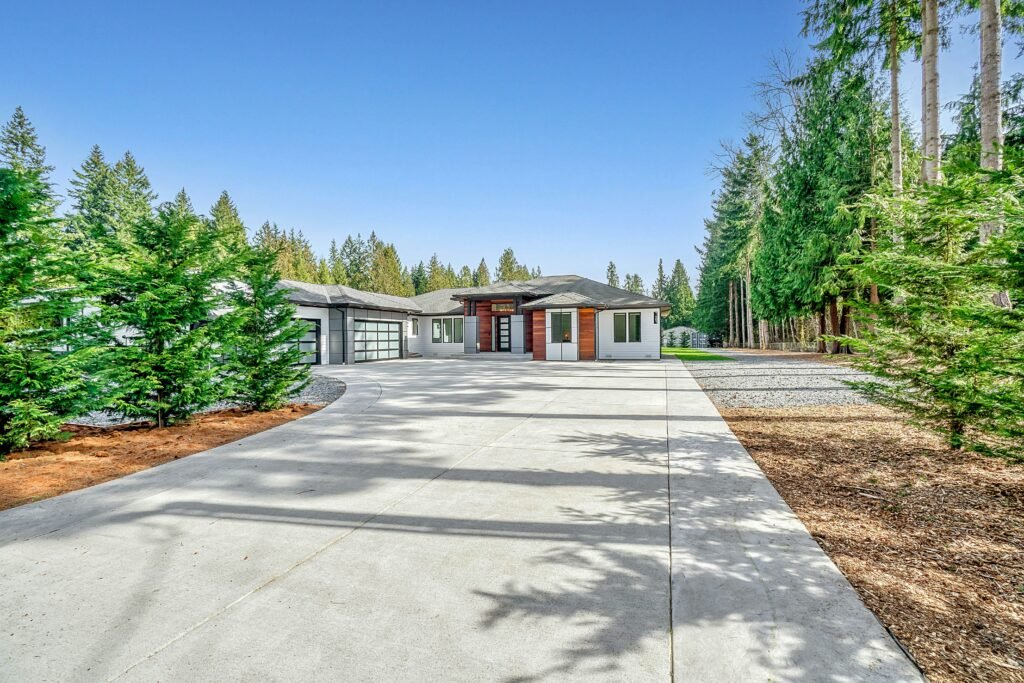
Your driveway does more than give you a place to park. It supports the weight of your vehicles every day, withstands changing weather, and plays a big role in your home’s curb appeal. Once it’s installed, you’ll live with that choice for many years, so it’s worth understanding how different materials perform before making a decision.
When comparing asphalt vs. concrete driveways, most homeowners focus on the upfront cost. That’s important, but it isn’t the only thing to consider. Lifespan, maintenance, repairs, and appearance all affect how much value you’ll get from your investment over time.
Before deciding which material is right for your home, it helps to understand how asphalt and concrete differ and how those differences affect maintenance, durability, and long-term cost.
Asphalt vs. Concrete: What’s the Difference?
Both asphalt and concrete create a strong surface for parking and driving, but they don’t behave the same way once they’re installed. The materials used to build each driveway affect everything from how they handle summer heat to how they’re repaired years later.
Before comparing costs, maintenance, or lifespan, it helps to understand what makes these driveways different.
What Is an Asphalt Driveway?
An asphalt driveway is made from crushed stone, sand, and a black binder called bitumen. Bitumen is a sticky material made from petroleum that holds everything together.
During installation, the asphalt is heated until it becomes soft enough to spread across the prepared base. After it’s rolled smooth, it cools and hardens into the finished driveway.
Even after it hardens, asphalt stays slightly flexible. That flexibility helps it handle small amounts of ground movement without cracking as quickly as a rigid surface might.
The downside is that sunlight, rain, and changing temperatures slowly wear down the binder. As the surface ages, it becomes drier and more brittle, which is why asphalt driveways need to be sealed every few years to help protect them.
What Is a Concrete Driveway?
Concrete is made by mixing cement, sand, gravel, and water. Cement acts like the glue that binds the other materials together. Once the mixture is poured, it begins to harden into a solid slab through a natural chemical reaction.
Unlike asphalt, concrete doesn’t stay flexible after it cures. It forms a hard surface that’s designed to support heavy loads for many years.
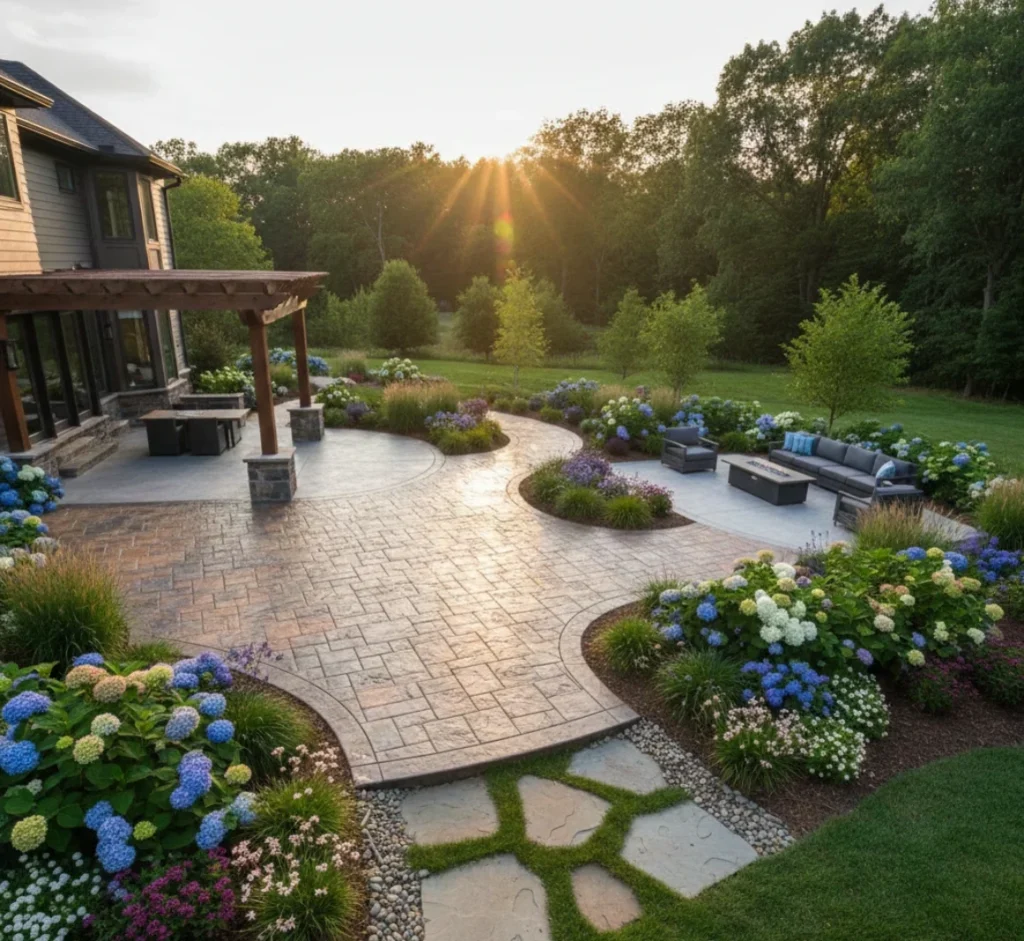
That strength makes concrete a popular choice for homes where larger vehicles, trailers, or work trucks regularly use the driveway. It also gives homeowners more design options. Concrete can be stamped to resemble stone, colored to complement a home’s exterior, or finished with textures that improve both appearance and traction.
Concrete takes longer to cure than asphalt, so homeowners need to wait longer before driving on the new surface. Once it’s fully cured, though, it provides excellent strength and can last for decades with proper installation and maintenance. If major cracks develop later on, repairs may remain visible because matching the original finish isn’t always possible.
Asphalt vs. Concrete Driveway Comparison
Both materials create a durable driving surface, but they don’t offer the same experience over the life of the driveway. One may cost less to install, while the other may require fewer repairs over the years. Looking at the biggest differences side by side makes it easier to see which option matches your priorities.
Comparison | Asphalt | Concrete |
Upfront Cost | Lower | Higher |
Lifespan | 20 to 30 years | 30 years or more |
Maintenance | Needs sealing every few years | Occasional cleaning and sealing |
Installation Time | Faster | Longer curing time |
Repairs | Easier to patch | Repairs are often more noticeable |
Hot Weather | Can soften during extreme heat | Holds its shape in high temperatures |
Cold Weather | Handles freeze-thaw cycles well when maintained | Can crack if water freezes inside the slab |
Design Options | Limited | Stamped, colored, exposed aggregate, and decorative finishes |
Heavy Vehicle Support | Good | Excellent |
No material comes out ahead in every category. Asphalt is often chosen because it costs less upfront and can be installed more quickly. Concrete costs more upfront, but many homeowners feel that the longer lifespan and lower maintenance make up for the higher initial investment.
The rest of this guide takes a closer look at the differences that have the biggest impact on long-term value.
Cost of Concrete Versus Asphalt
The price of a new driveway isn’t based on the material alone. Labor, site conditions, preparation work, and future maintenance all contribute to the total investment.
Concrete generally costs more to install because it requires more material and more finishing work. Once the concrete is poured, contractors have to level, finish, and control the curing process to produce a durable surface.
Asphalt is installed differently. The material arrives hot, is spread across the prepared base, and is compacted with heavy equipment. That process usually takes less time, reducing labor costs.
The table below breaks down some of the biggest cost differences.
Cost Factor | Asphalt | Concrete |
Materials | Lower cost | Higher cost |
Installation Labor | Lower | Higher |
Site Preparation | Similar for both materials | Similar for both materials |
Routine Maintenance | Higher over time | Lower over time |
Expected Lifespan | Shorter | Longer |
Long-Term Value | Lower | Higher |
The lowest estimate doesn’t always provide the lowest overall cost. A driveway that lasts ten years longer and needs fewer repairs may save money over its lifetime, even if the initial installation costs more.
That’s one reason homeowners comparing the cost of concrete versus asphalt often look beyond the installation price and consider how much maintenance each material will require in the years ahead.
Which Material Lasts Longer?
A driveway wears down a little every day. Sunlight, rain, snow, freezing temperatures, and vehicle traffic all affect how quickly that happens.
Concrete usually has the longer lifespan, but both materials can provide decades of service when they’re installed correctly and maintained properly.
How Weather Affects Each Material
Weather affects asphalt and concrete in different ways.
Hot summer temperatures can soften asphalt, especially during long periods of intense heat. Heavy vehicles parked in the same spot may leave shallow depressions if the surface becomes too soft.
Concrete remains firm in hot weather, but freezing temperatures can cause problems if water enters small cracks and freezes. As the water expands, the cracks can become larger over time.
Keeping either driveway clean, sealed, and free of standing water helps reduce weather-related damage.
Which Handles Heavy Vehicles Better?
Every residential driveway is designed for normal vehicle traffic, but heavier loads place more stress on the surface.
Concrete’s rigid structure makes it a better choice for driveways that regularly support work trucks, trailers, campers, or recreational vehicles.
Asphalt can also support passenger vehicles well, but repeated heavy loads may create ruts or low spots more quickly if the driveway wasn’t designed for that type of use.
How Each Material Ages Over Time
No driveway looks exactly the same after twenty or thirty years.
Asphalt gradually fades from black to gray as sunlight breaks down the surface. Small cracks may appear, and periodic sealing helps slow that process.
Concrete usually keeps its strength longer, but stains, surface discoloration, or isolated cracks may become more noticeable with age.
The good news is that regular maintenance helps both extend the lifespan of materials and prevent small problems from becoming expensive repairs.
Maintenance Requirements
Every driveway needs maintenance. Dirt, water, sunlight, and vehicle traffic slowly wear down the surface, no matter which material you choose. The difference is how that maintenance is done and how often it’s needed.
Asphalt requires more frequent maintenance because the surface naturally dries out over time. Concrete requires less routine maintenance, but it still benefits from periodic cleaning and sealing to help protect the surface.
Cleaning
Keeping a driveway clean does more than improve its appearance. Dirt, leaves, oil, and road salt can hold moisture against the surface or leave stains that become harder to remove over time.
For either material:
- Sweep away leaves and debris regularly.
- Clean oil spills as soon as possible.
- Wash the driveway with water or a concrete-safe cleaner when needed.
- Avoid letting dirt build up along the edges where moisture can collect.
Sealing
Sealing protects both asphalt and concrete, but the purpose is a little different for each material.
Asphalt sealer replaces some of the protection lost as the binder breaks down from sunlight and weather. Most asphalt driveways should be resealed every three to five years, depending on use and local conditions.
Concrete doesn’t need sealing as often, but applying a quality sealer can help reduce stains, limit water absorption, and make the surface easier to clean.
Crack Repairs
Small cracks rarely stay small if they’re ignored.
On asphalt driveways, cracks can usually be filled before water reaches the base underneath. Addressing them early helps prevent larger repairs later.
Concrete repairs depend on the size and cause of the crack. Hairline cracks may only affect the appearance, while wider or uneven cracks can indicate movement beneath the slab. A contractor can determine whether the driveway needs a repair or if replacement is the better option.
Resurfacing
Asphalt can often be resurfaced once the original driveway begins to wear. A new layer is placed over the existing surface, giving the driveway a fresh appearance without removing everything underneath.
Concrete doesn’t have a comparable resurfacing process in most situations. If the slab has major structural damage, replacement is usually the more reliable solution.
Snow and Ice
Winter maintenance also differs between the two materials.
Asphalt is less likely to be damaged by metal snow shovels because the surface has a little flexibility. Concrete is harder but can be chipped if heavy equipment or sharp tools are used carelessly.
Using deicing products designed for driveways and removing snow before it builds up can help protect both surfaces during the winter months.
Maintenance becomes much easier when small problems are addressed early. Waiting until cracks grow or water begins pooling often leads to larger repairs that cost more to fix.
Knowing what each driveway needs over the years can help you choose the option that fits your budget and the amount of maintenance you’re comfortable handling.
Maintenance Task | Asphalt | Concrete |
Cleaning | Regular | Regular |
Sealing | Every 3 to 5 years | Occasional |
Crack Repairs | More common | Less common |
Resurfacing | Often possible | Limited |
Snow Removal | Straightforward | Straightforward with proper tools |
Concrete usually requires less routine maintenance than asphalt, but both materials last longer when they’re cleaned regularly and repaired before small problems become larger ones.
Appearance and Design Options
The look of your driveway can change the way your entire home looks from the street.
Asphalt has a simple, uniform appearance with its smooth black finish. For some homes, that’s exactly what’s needed. It creates clean lines and blends well with modern or traditional designs.
Concrete offers homeowners more opportunities to customize their finished driveways.
Instead of leaving the surface plain, contractors can add:
- Stamped patterns that resemble stone or brick
- Colored concrete
- Exposed aggregate finishes
- Decorative borders
- Textured finishes for additional traction
These options allow the driveway to match patios, walkways, or other concrete features around the home.
Decorative finishes increase the initial cost, but they can also give the front of the property a more finished appearance that lasts for many years.
Is Concrete or Asphalt Better for Your Home?
The better driveway is the one that matches the way you’ll use it.
If keeping the upfront cost as low as possible is your main goal, asphalt may be the better choice.
If you’re planning to stay in your home for many years and want a driveway that lasts longer with less routine maintenance, concrete is often the better investment.
This side-by-side comparison can help narrow your decision.
If You Want… | Better Choice |
Lower upfront cost | Asphalt |
Longer lifespan | Concrete |
Less routine maintenance | Concrete |
Faster installation | Asphalt |
Decorative finishes | Concrete |
Better support for heavy vehicles | Concrete |
The right choice comes down to how you plan to use your driveway. If keeping the upfront cost low is your priority, asphalt is often the better fit. If you’d rather spend more now for a driveway that can last longer and needs less routine maintenance, concrete is usually the stronger investment.
Compare Your Driveway Options With Premier Concrete
Choosing between concrete vs. asphalt isn’t just about today’s price. It’s about how the driveway will perform over the next 20 or 30 years. Looking at maintenance, durability, appearance, and long-term value gives you a much clearer picture than comparing installation costs alone.
Premier Concrete helps homeowners throughout the Fort Wayne area choose driveway solutions that fit their property, budget, and long-term goals. If you’re planning a new driveway or replacing an existing one, our team can explain your options, answer your questions, and recommend a solution built for lasting performance.
Contact Premier Concrete today to schedule a consultation and take the next step toward a driveway that’s built to last.