A driveway is one of the first things people notice when they arrive at a home. It frames the front of the property, creates the path to the garage and front door, and gives buyers an early impression of how well the home has been cared for. A cracked or uneven driveway can stand out just as quickly as a clean, well-maintained one.
That’s why many homeowners ask whether a concrete driveway increases home value before starting a replacement project. While a new driveway doesn’t guarantee a specific increase in a home’s selling price, it can make the property more appealing to buyers, reduce concerns about future repairs, and strengthen its overall presentation.
The value comes from more than fresh concrete. A driveway built to last and suited to the home’s style can make the property feel more complete, especially when the existing driveway is worn or damaged.
Why Your Driveway Matters More Than You Think
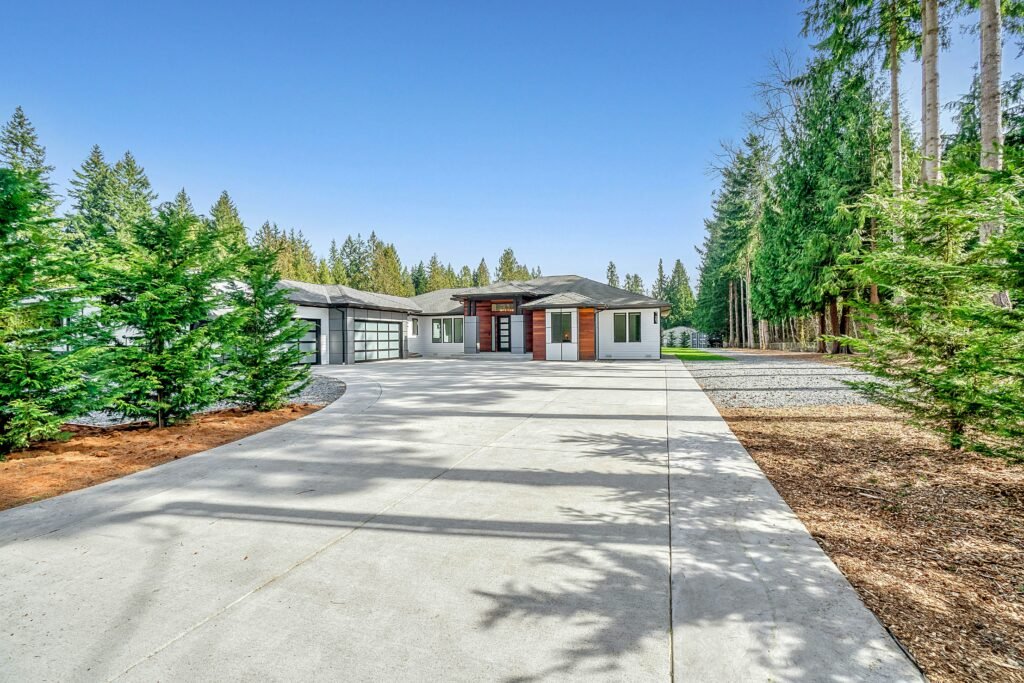
The driveway is one of the largest visible features on the front of a home. Even before buyers notice the landscaping or step through the front door, they’ve already formed an opinion based on what they see outside.
That first impression can influence how they view the rest of the property.
A driveway with large cracks, uneven sections, or faded surfaces may lead buyers to wonder whether other parts of the home have been neglected too. On the other hand, a clean, well-built driveway suggests the property has been cared for over the years.
Appearance isn’t the only factor. Buyers also think about the work they’ll need to do after moving in. If the driveway already needs repairs or replacement, that’s another project to budget for, and some buyers may use those expected costs during price negotiations.
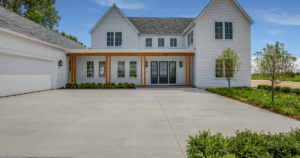
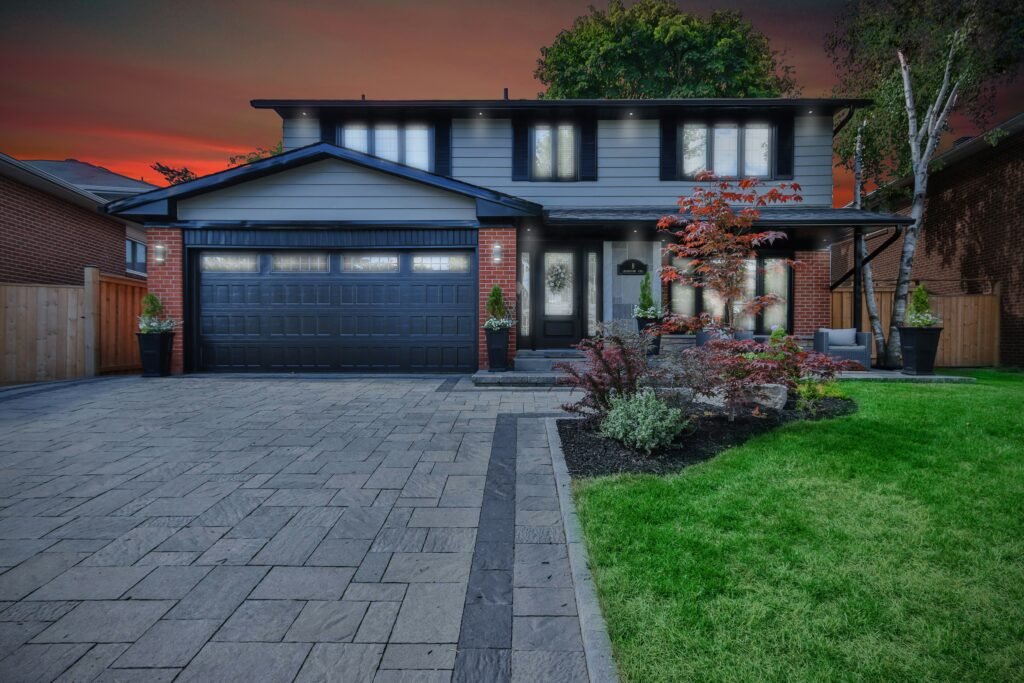
This is where concrete driveway curb appeal becomes important. A driveway doesn’t need elaborate decorative finishes to make a positive impression. A smooth, well-maintained surface that complements the home often does just as much to improve the property’s overall appearance.
Because the driveway covers such a large area, improving it can noticeably change how the entire front of the home looks.
How a Concrete Driveway Can Increase Home Value
A concrete driveway adds value for more than one reason. Instead, it improves several parts of the property that buyers often notice during a showing.
Some benefits are easy to see immediately, while others become important because they reduce future maintenance or provide long-term durability.
Better Curb Appeal
Buyers begin forming opinions before they even walk through the front door.
A driveway with clean edges, a consistent finish, and a design that matches the home helps create a stronger first impression. It also makes landscaping, sidewalks, and the front entrance look more finished because everything works together instead of competing for attention.
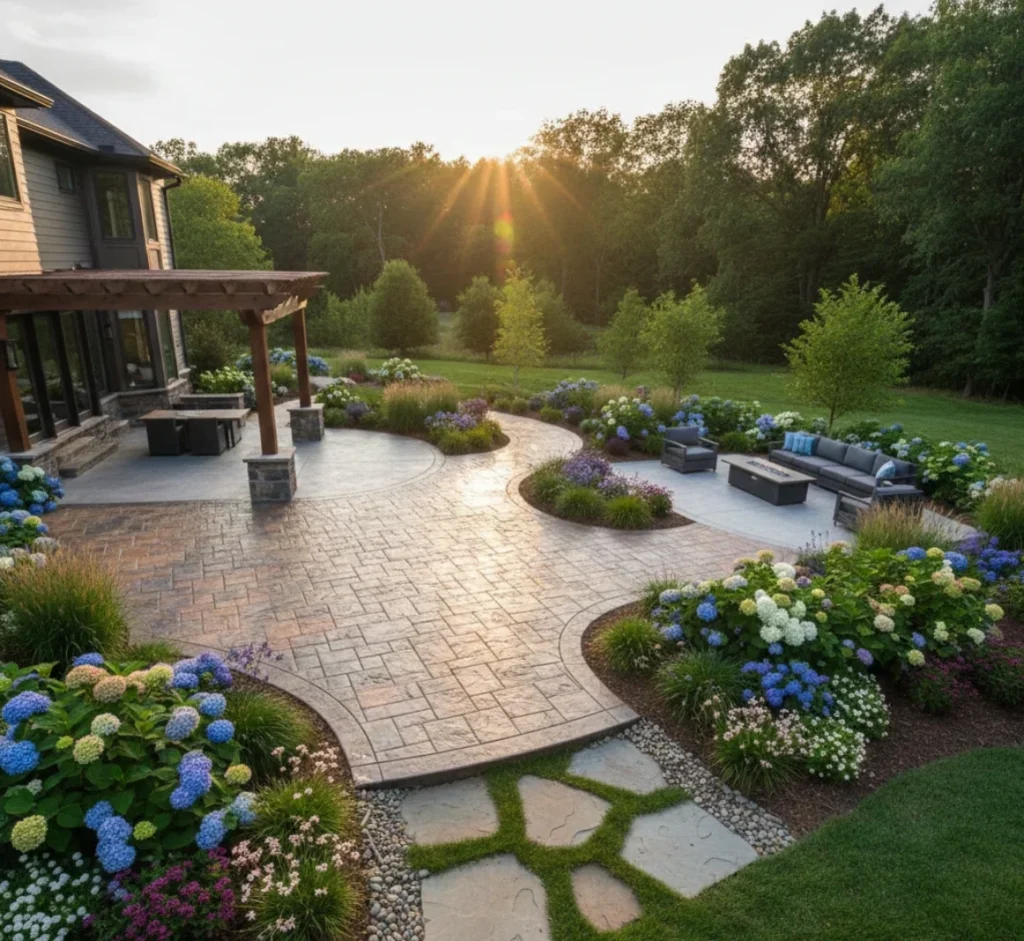
Decorative options such as broom finishes, exposed aggregate, or stamped borders can add character without making the driveway look overly decorative.
Even a simple concrete driveway can improve the property’s overall appearance when it replaces one that’s cracked, stained, or uneven.
Lower Maintenance Appeals to Buyers
Most buyers appreciate a home that doesn’t need immediate repairs.
Concrete driveways are known for their durability and relatively low maintenance. Regular cleaning and occasional sealing are often enough to keep them in good condition for many years.
That can reassure buyers who want to enjoy their new home instead of planning another major exterior project.
A driveway that’s already in good shape also removes one item from the buyer’s list of future expenses, making the property feel more move-in ready.
Longer Lifespan Adds Value
Home improvements often become more attractive when buyers believe they’ll continue providing value long after they move in.
A properly installed concrete driveway can last for decades with routine maintenance. Knowing they won’t need to replace the driveway anytime soon can make buyers more comfortable with the property’s overall condition.
Durability also helps explain why concrete remains one of the most popular driveway materials. While every driveway eventually shows signs of age, a well-built concrete driveway typically provides many years of reliable use before major repairs become necessary.
Does Replacing a Driveway Offer a Good Return on Investment?
Replacing a driveway is a significant project, so it’s natural to wonder whether the investment will pay off.
The answer often depends on the condition of the existing driveway, what buyers in your area expect, and how well you’ve maintained the rest of the property. In some situations, replacing the driveway can noticeably improve the home’s overall presentation. In others, repairs may be enough to achieve the same result.
Looking at the property as a whole makes it easier to decide whether replacement is the right choice.
The Condition of the Existing Driveway
Not every driveway needs replacement.
Small surface stains or a few hairline cracks usually don’t affect the way buyers view a home. Large cracks, uneven sections, crumbling edges, or areas where water regularly collects are more noticeable and can raise concerns about future repairs.
If the driveway has reached the point where repairs no longer provide a lasting solution, replacement may improve both appearance and functionality.
Neighborhood Expectations
The surrounding neighborhood also plays a role.
In neighborhoods where most homes have well-maintained driveways, an older or damaged driveway may stand out more than it would in an area where many properties show similar wear.
Replacing the driveway can help the home better match nearby properties and improve its overall presentation without making unnecessary upgrades.
The Overall Condition of the Home
A new driveway has the greatest impact when the rest of the property is also well maintained.
Fresh landscaping, a clean exterior, updated walkways, and a well-kept roof all contribute to a positive first impression. If several areas of the home need attention, buyers may focus on those larger concerns before noticing the driveway.
Considering the property as a whole often leads to a better return than upgrading a single feature while leaving other visible repairs unfinished.
The situations below can help determine whether replacing a driveway is worth considering before putting a home on the market.
Current Driveway Condition | Replacement Worth Considering? |
Large cracks or uneven sections | Yes |
Multiple areas with crumbling concrete | Yes |
Minor surface stains | Usually not |
Small hairline cracks | Repairs may be enough |
Driveway near the end of its lifespan | Often yes |
Relatively new driveway in good condition | Usually not |
The best choice depends on the driveway’s condition and how it affects the property’s overall appearance. In many cases, replacing a driveway makes the biggest difference when the existing one has become one of the home’s most noticeable maintenance concerns.
Signs Your Driveway May Be Hurting Your Home’s Value
Not every flaw affects a home’s value the same way. A small stain from a leaking vehicle usually won’t discourage buyers, but larger problems that suggest ongoing maintenance or structural issues often leave a different impression.
Viewing the driveway from a buyer’s perspective can help you decide whether repairs or replacement are worth considering before listing your home.
Large Cracks
Concrete naturally develops small hairline cracks as it ages, and many of them remain stable for years.
Large cracks are different. Wide openings, cracks that keep growing, or cracks where one side sits higher than the other can make buyers question the driveway’s condition and what caused the damage.
They may also wonder whether the problem extends below the surface, especially if water has been entering the cracks for a long time.
Uneven or Sunken Areas
A driveway should provide a smooth, stable surface for vehicles and foot traffic.
When one section sinks or shifts, it can create tripping hazards and make parking less convenient. Uneven concrete may also point to soil movement beneath the slab, which can raise additional concerns during a home showing.
If you’re unsure whether a section can be repaired or replacement is the better option, understanding the causes of concrete driveway cracks and when repairs aren’t enough can help you tell the difference between cosmetic damage and structural problems.
Drainage Problems
Water should drain away from a driveway rather than collect on the surface.
Puddles that remain long after the rest of the driveway has dried may indicate poor drainage or low spots in the concrete. Over time, standing water can increase surface wear, contribute to cracking, and make the driveway look neglected.
Drainage problems can also affect nearby landscaping and, in some cases, direct water toward the garage or foundation.
Stains and Surface Damage
A stained driveway doesn’t automatically reduce home value, but years of oil stains, rust marks, chipped concrete, or surface scaling can make the property feel less maintained.
Most buyers understand that concrete ages, but a driveway with multiple visible issues can distract from the rest of the home.
In many cases, cleaning the surface and making small repairs is enough to improve its appearance. When damage is widespread, replacement may provide a better long-term solution.
Should You Replace Your Driveway Before Selling Your House?
Replacing a driveway before selling isn’t always necessary.
The decision usually comes down to one question: Will the driveway’s condition make buyers hesitate or expect a lower price?
If the driveway still looks good and works properly, you may be better off spending your money on other improvements. If it’s one of the first things buyers notice because of its condition, replacing it could help the property make a stronger first impression.
This comparison can help guide that decision.
If Your Driveway Has… | Consider… |
Hairline cracks with no movement | Monitor or make minor repairs |
A few isolated damaged areas | Repair the affected sections |
Large cracks across multiple areas | Replacement may be the better investment |
Uneven or sunken concrete | Professional evaluation |
Drainage issues that cause standing water | Correct the drainage and assess the driveway |
Extensive wear after decades of use | Replacement |
Age matters, but condition matters more. An older driveway that’s structurally sound and well maintained may continue serving the home for years. A newer driveway with poor drainage or significant settlement may already need major repairs.
The goal isn’t to replace concrete simply because it’s old. It’s to decide whether the driveway still supports the appearance, safety, and function buyers expect.
Concrete vs. Asphalt: Which Adds More Value?
Both materials can improve a property’s appearance when they’re installed correctly, but they offer different long-term benefits.
Asphalt usually costs less to install and can be a practical option for homeowners working within a tighter budget. Concrete generally costs more upfront, but it often lasts longer and requires less routine maintenance over its lifespan.
Those differences can influence how buyers view the property, especially if they’re planning to stay in the home for many years.
Feature | Concrete | Asphalt |
Lifespan | 30+ years with proper maintenance | 20 to 30 years with proper maintenance |
Routine Maintenance | Occasional cleaning and sealing | Regular sealing every few years |
Decorative Options | Stamped, colored, exposed aggregate, broom finish | Limited |
Appearance Over Time | Maintains a clean, finished look | Gradually fades as it ages |
Long-Term Investment | Higher upfront cost with longer service life | Lower upfront cost but more maintenance |
Choosing between asphalt and concrete isn’t only about installation cost. It also depends on how long you plan to own the home, the property’s style, and how much maintenance you’re comfortable taking on.
If you’re comparing both materials, understanding the differences between an asphalt vs. concrete driveway can help you decide which option best fits your home and your long-term goals.
Improve Your Property With Premier Concrete
A concrete driveway does more than provide a place to park. It shapes your home’s first impression, supports daily use, and can make the property more appealing to future buyers. No single upgrade guarantees a higher selling price, but a well-built driveway can boost curb appeal, reduce maintenance concerns, and improve the property’s overall presentation.
The best investment depends on your driveway’s condition. Some homeowners benefit from repairing isolated damage, while others get more long-term value from a complete replacement. Looking at the driveway alongside the rest of the home’s exterior makes it easier to decide which approach makes the most sense.
Whether you’re preparing to sell or planning to stay in your home for years to come, Premier Concrete builds durable driveways designed for long-term performance and lasting curb appeal. Our team can evaluate your existing driveway, explain your options, and recommend a solution that fits your property and your goals.
Contact Premier Concrete today to schedule a consultation and take the next step toward a driveway built to last!